Dough and fermentation
Hydration, dough-ball size and fermentation change with the style.
Pizza Styles
Style assistant
Start with the eating result, then compare the styles that fit your oven and goal.
DoughTools Pizza Plans currently support Neapolitan-style pizza. Other styles are learning references unless specifically marked otherwise.
Recommendation
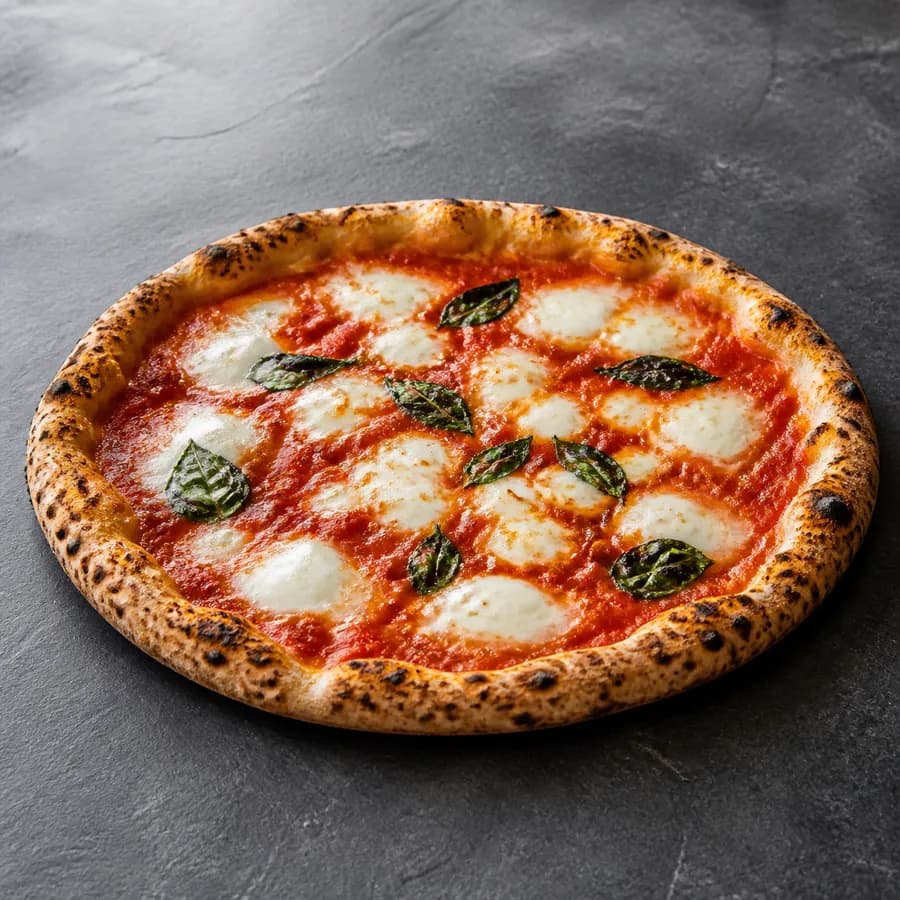
A round personal pizza with a soft center, raised cornicione and very fast high-heat bake.
The hot oven expands the rim quickly while restrained toppings keep the center from becoming heavy. A longer lower-heat bake would dry the dough and change the topping behavior.
Common confusion: A home-oven pizza can be Neapolitan-inspired, but it is not formally AVPN-compliant unless the regulated process and oven environment are met.
Hydration, dough-ball size and fermentation change with the style.
Heat, surface and bake time shape the result more than the name alone.
Moisture and topping load need to match the crust and bake.
Browse all styles
Use the images to recognize shape, rim, thickness and bake style, then jump to the compact comparison.
Compact comparison
Use this as the full style reference after the assistant narrows your direction.
A round personal pizza with a soft center, raised cornicione and very fast high-heat bake.
Dough reference: 64% planning default · 12h room · W 260–280
Sauce and cheese: Fresh tomato base used lightly · Fresh mozzarella or fior di latte in restrained pieces
Topping load: Restrained
Common confusion: A home-oven pizza can be Neapolitan-inspired, but it is not formally AVPN-compliant unless the regulated process and oven environment are met.
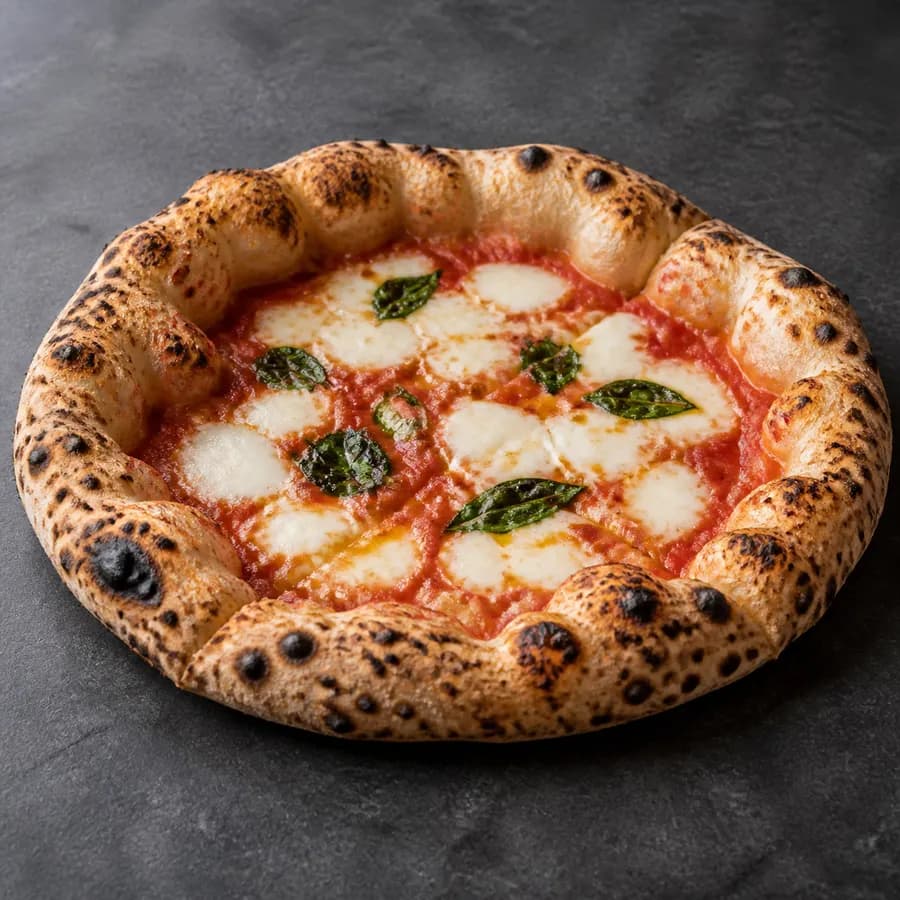
A modern family of Neapolitan-inspired approaches, often with a more expressive rim and open internal structure.
Dough reference: 70% planning default · 48h cold · W 320–340
Sauce and cheese: Usually restrained tomato base or modern topping composition · Often fresh cheese with modern topping variation
Topping load: Variable, but still needs balance
Common confusion: Contemporary Neapolitan is not one universal formula. Not all examples are extremely high hydration, and not every puffy rim is automatically better.
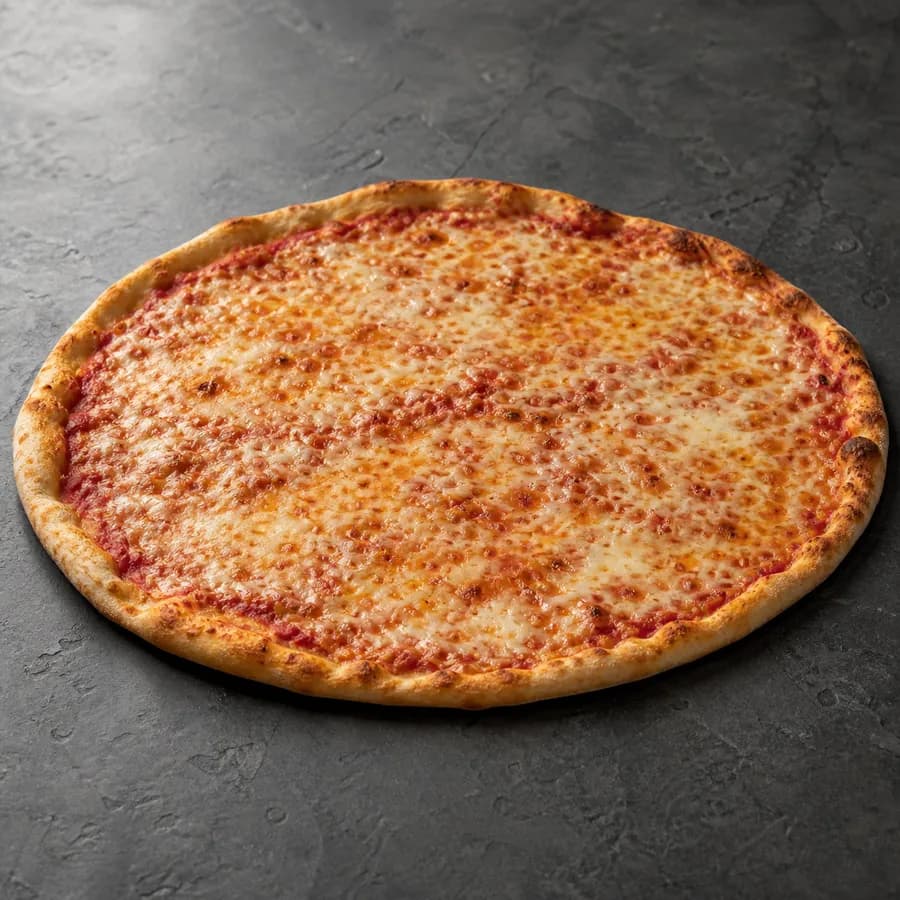
A large round pie built for foldable slices, a crisp underside and flexible chew.
Dough reference: 65% planning default · 48h cold · W 300–320
Sauce and cheese: Cooked or seasoned tomato sauce is common · Low-moisture mozzarella, often shredded or sliced
Topping load: Moderate; slice must stay foldable
Common confusion: It is not simply a larger Neapolitan pizza. The dough, cheese, sauce and bake profile are adapted for a different result.
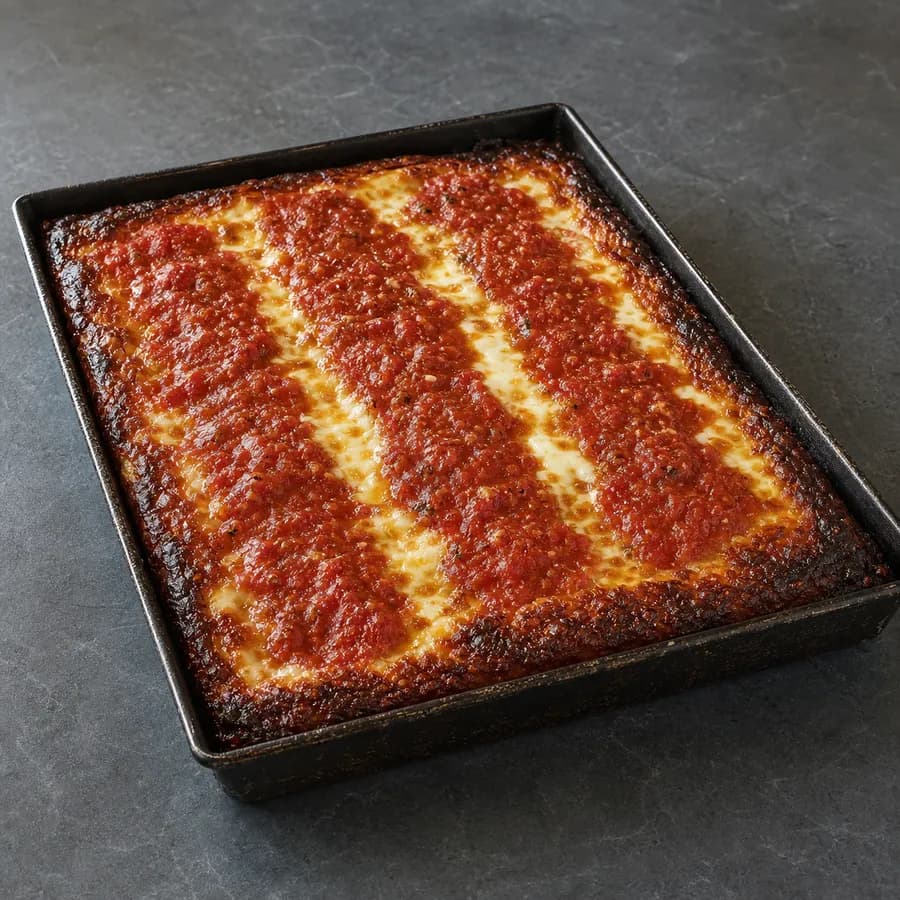
A rectangular pan pizza with an airy crumb, crisp fried base and caramelized cheese edge.
Dough reference: 75% planning default · 48h cold · W 320–340
Sauce and cheese: Sauce often added above cheese or in stripes · Cheese pushed to the pan edge
Topping load: Can carry more than Neapolitan but still needs balance
Common confusion: Detroit is not just Sicilian pizza with different toppings. The edge cheese, pan tradition and sauce architecture are central.
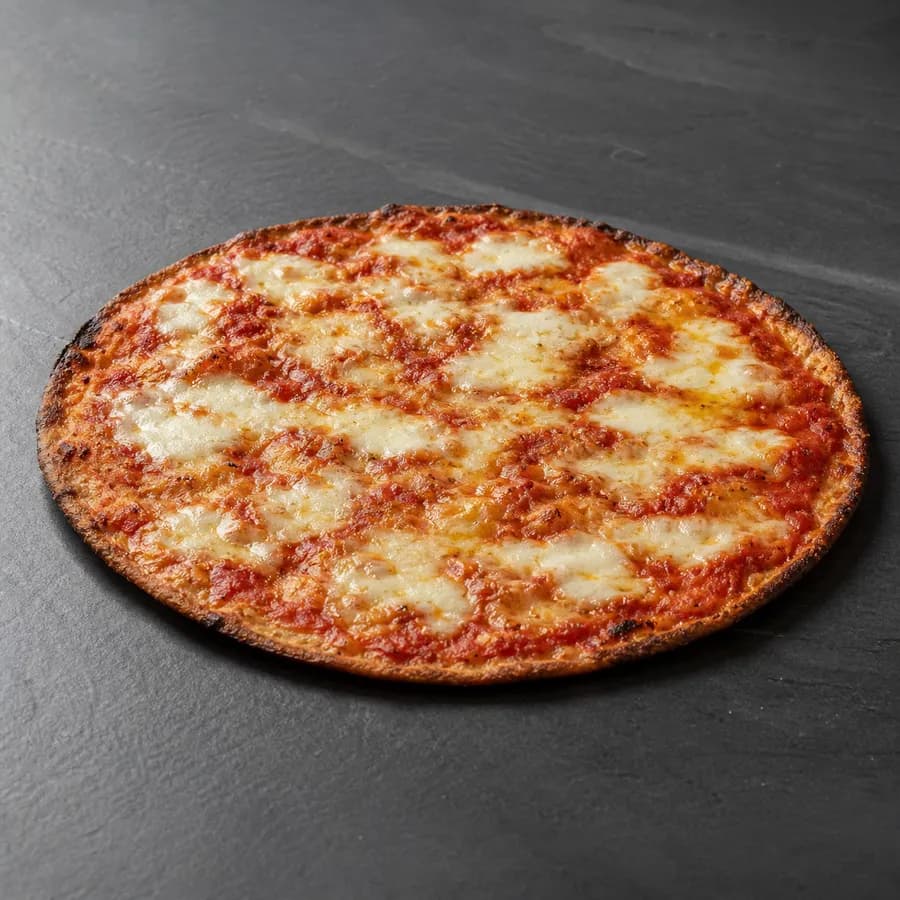
A round Roman pizza with a very thin, crisp base and low edge.
Dough reference: 58% planning default · 24h cold · W 260–280
Sauce and cheese: Often spread closer to the edge · Style-dependent
Topping load: Light enough to preserve crispness
Common confusion: Roman pizza can mean more than one thing. Roman Tonda is not the same as Roman al Taglio or Teglia.
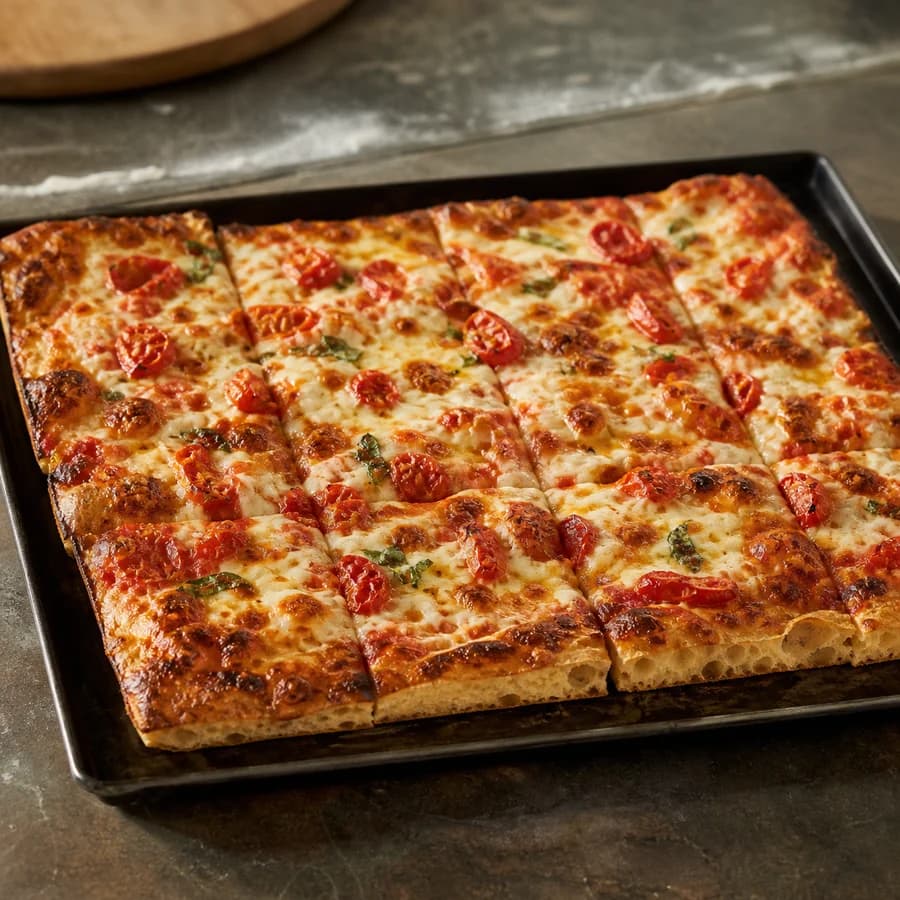
A rectangular Roman pan format, often cut by the piece, with crisp base and airy interior.
Dough reference: Learning-only tray format; no pizza-plan default.
Sauce and cheese: Variable; often part of a broader topping system · Variable by topping style
Topping load: Often more varied than round styles
Common confusion: It should not be merged with Roman Tonda or Detroit. Tonda is round and thin; Detroit depends on cheese-to-edge pan architecture.
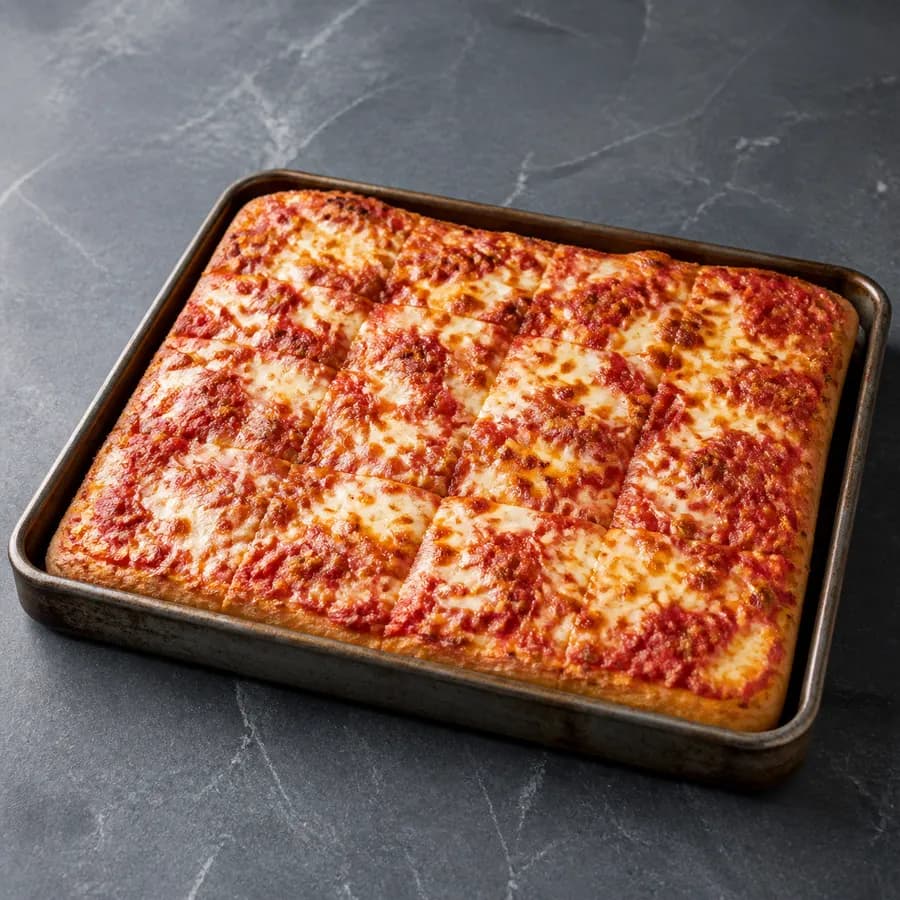
A term that can mean regional Sicilian traditions such as sfincione or Italian-American rectangular pan pizza.
Dough reference: 70% planning default · 24h room · W 300–320
Sauce and cheese: Can include thicker tomato, onions, anchovies or breadcrumb traditions in sfincione · Regional and Italian-American versions differ
Topping load: Variable
Common confusion: Sicilian is not one universal square cheese pizza, and Detroit is not merely Sicilian with a different topping order.
The hot oven expands the rim quickly while restrained toppings keep the center from becoming heavy. A longer lower-heat bake would dry the dough and change the topping behavior.
Common confusion: A home-oven pizza can be Neapolitan-inspired, but it is not formally AVPN-compliant unless the regulated process and oven environment are met.
The style depends on a combination of flour strength, fermentation, dough handling, temperature and oven heat. A large rim alone does not define quality.
Common confusion: Contemporary Neapolitan is not one universal formula. Not all examples are extremely high hydration, and not every puffy rim is automatically better.
Oil and sometimes sugar are common adaptations for a longer, lower-temperature bake. Low-moisture cheese and a sturdier base help the slice stay foldable.
Common confusion: It is not simply a larger Neapolitan pizza. The dough, cheese, sauce and bake profile are adapted for a different result.
The pan, oil, cheese-to-edge placement and bake profile create the texture. Making a Neapolitan dough thicker will not reproduce the same edge or base.
Common confusion: Detroit is not just Sicilian pizza with different toppings. The edge cheese, pan tradition and sauce architecture are central.
The thin shaping, low edge and bake profile aim for crispness rather than the soft elastic center of Neapolitan pizza.
Common confusion: Roman pizza can mean more than one thing. Roman Tonda is not the same as Roman al Taglio or Teglia.
The pan shape, dough strength, fermentation and careful handling support an airy sheet structure. It is not just Detroit without cheese edges.
Common confusion: It should not be merged with Roman Tonda or Detroit. Tonda is round and thin; Detroit depends on cheese-to-edge pan architecture.
The term covers more than one tradition. Pan thickness, oil, topping order and regional ingredients all change the result.
Common confusion: Sicilian is not one universal square cheese pizza, and Detroit is not merely Sicilian with a different topping order.
Ready to plan
Pizza Plan currently builds a Neapolitan-style plan around your oven, timing and quantity. Use the other styles here as learning references.
Plan a Neapolitan-style pizza